
Choosing between raw or roasted pistachios is not just a matter of personal taste. Behind that decision lie nuances of flavor, aroma, and use that make a real difference in cooking. A freshly shelled pistachio does not taste the same as one that has been roasted, nor do they behave the same when used as an ingredient.
Therefore, understanding what each one offers helps you enjoy the product more and, above all, avoid mistakes when pistachios are no longer just a simple snack but become part of a recipe. So, if you have doubts about which type of pistachio to choose, we will tell you more about their distinguishing characteristics.
At first glance, the difference may seem obvious because one is raw and the other has been roasted. However, the change goes far beyond color or crunchiness, as processing transforms the pistachio in a way that can be perceived from the very first bite. Given this scenario, it is essential to consider the following:
Roasting activates aromas that remain dormant in raw pistachios. When heated, the fruit develops deeper, slightly bitter, and toasted notes, reminiscent of other traditional nuts. The result is a crunchier pistachio with a flavor that lingers longer in the mouth.
Raw pistachios, on the other hand, are milder and fresher. They have a vegetal, almost sweet flavor and a less dry texture. They do not seek to be the star of the show, but rather to provide balance, which is much appreciated when they are part of a more complex dish.
However, from a nutritional point of view, the differences are not as great as is sometimes thought. Roasting may slightly affect some heat-sensitive micronutrients, but pistachios remain a complete food in both cases, as they retain their healthy fats, fiber, vitamins, and protein. In practice, what changes most is not what they provide to the body, but how they taste and how they fit into each culinary use.
For many chefs, raw pistachios are the most versatile option when working with this nut. Although they do not immediately attract attention, this is precisely where their value lies, as they can be used in a more versatile way to create delicious dishes.
The first thing that stands out is its unique flavor, which is clean and direct, without any interference. This makes it a perfect partner when pistachios should complement rather than overpower other ingredients. In creams, sauces, or doughs, raw pistachios add depth and nuance, allowing the other ingredients to shine without competing. For this reason, it’s a common choice in savory dishes and pastries where elegance is more important than boldness.
When it comes to making pistachio paste, raw pistachios are usually the preferred base. They allow for a more aromatic paste with a natural color and a flavor true to the original nut. From there, the cook or pastry chef can decide how much sweetness to add or what other ingredients to incorporate, without the roasting dictating the process from the start.
Roasted pistachios are the most recognizable to consumers and are typically sold in snack packages. Simply opening a package is enough to unleash the aroma. This is the most common way to eat pistachios directly, but it’s not the only option, as they can also be consumed in other ways.
When eaten raw, roasted pistachios have an advantage, thanks to their crunch, dry aroma, and intense flavor, which are more satisfying for many palates. They are the pistachios associated with appetizers, snacking, and that almost automatic urge to grab another.
However, in baking, roasted pistachios are used when a strong presence is desired. In decorations, fillings, or mixtures where they need to be clearly noticeable, the roasting adds character. However, it requires more care, because excessive roasting can overpower the other, more delicate flavors.
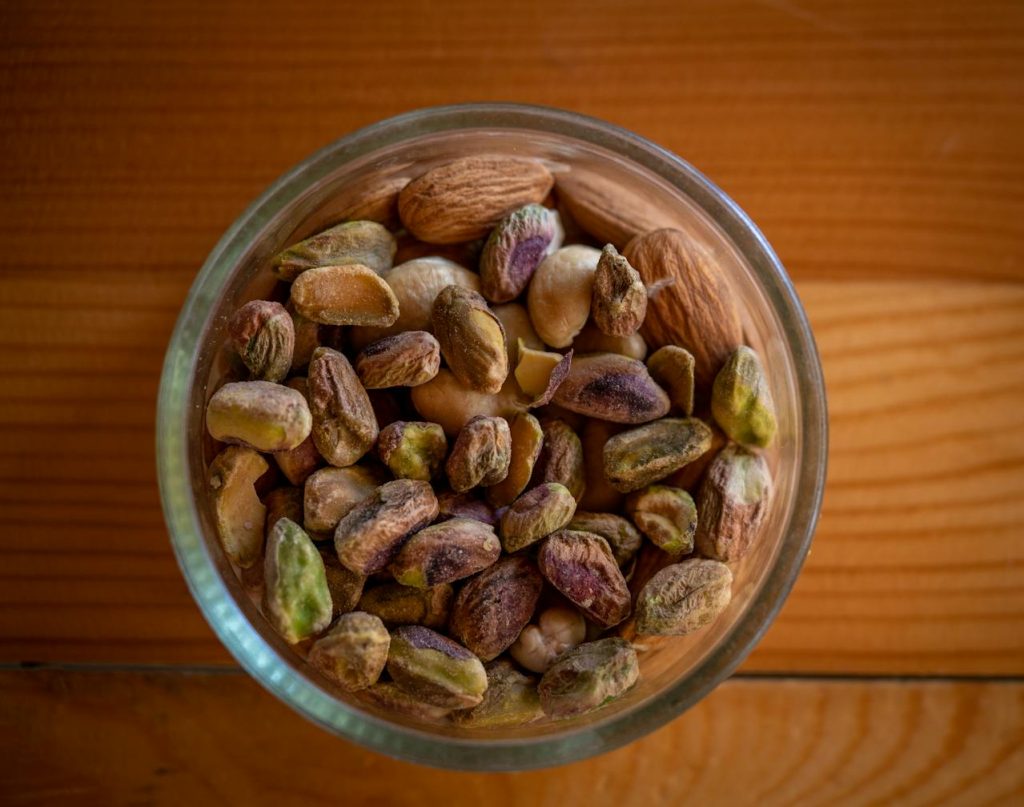
The choice between raw or roasted pistachios shouldn’t be made randomly, as it all depends on what you expect from the product. So, before making your purchase and final decision, it’s essential to consider the following:
If the goal is to eat them on their own, roasted pistachios are usually the best option. However, when pistachios are incorporated into a recipe, especially in dishes where balance is key, raw pistachios offer more control and room for adjustment.
Whether raw or roasted, a quality pistachio is noticeable. The origin, the point of ripeness, and the care taken in processing directly influence the final result. Poor roasting can ruin a good pistachio, just as improper storage can diminish its full potential.
Pistachios are no longer just a simple product. Today, their transformation requires knowledge and experience. At companies like Vitium Pistachios, we work with the nut with a comprehensive approach, from selection to final processing. This control allows us to offer raw, roasted, or pistachio paste with a consistency and quality that translates directly into better results in the kitchen, both for professionals and for those looking for something more than just a standard pistachio.
Now you know, choosing between raw or roasted pistachios isn’t a matter of black and white. Each has its time and purpose. Raw pistachios stand out for their versatility and their faithfulness to the original flavor, while roasted pistachios offer intensity and a more direct experience.
Knowing when to use each allows you to get the most out of this nut, whether as a main ingredient, as the base for pistachio paste, or simply as a delicious snack.